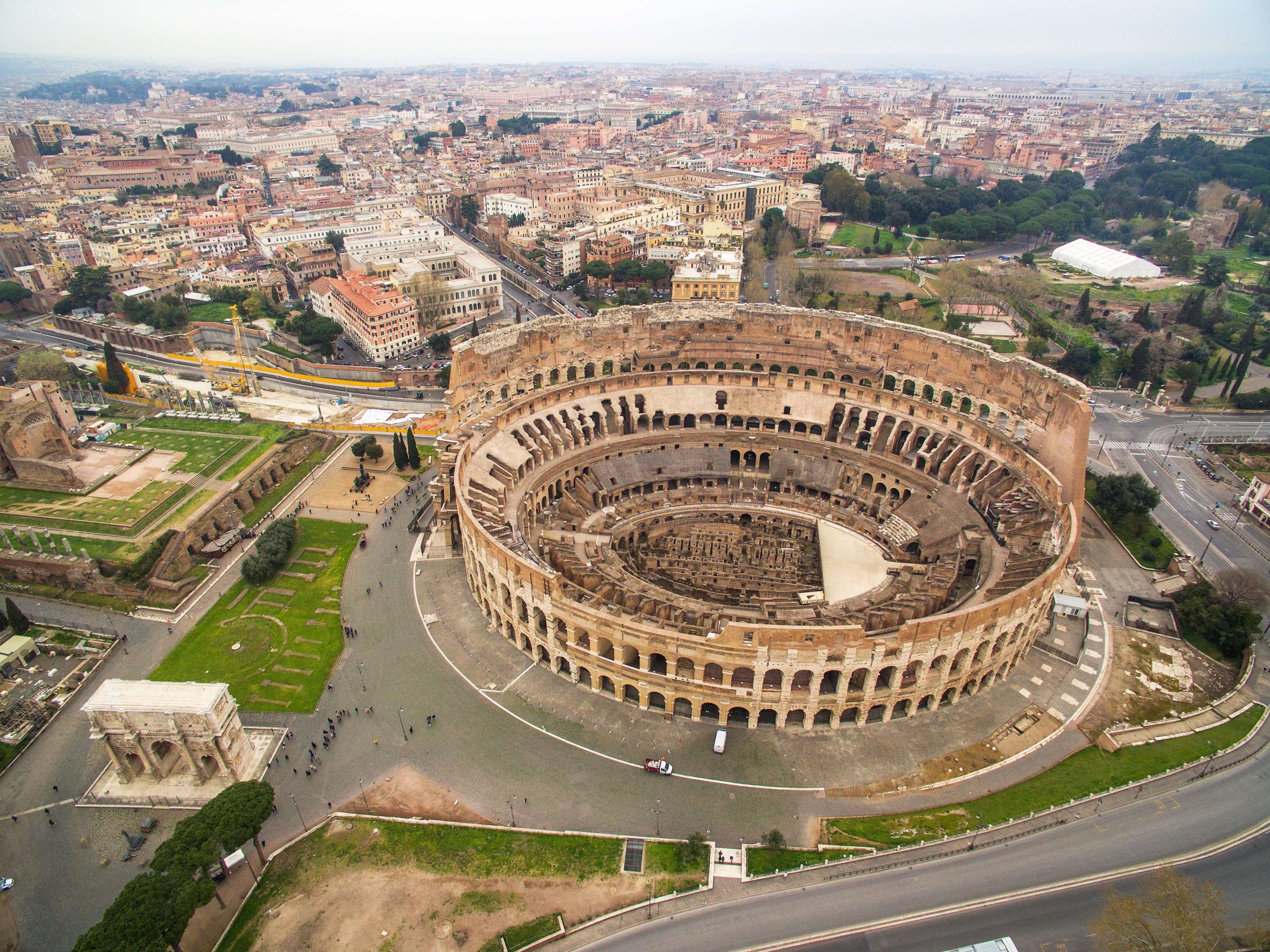


Rome is not just a city — it’s an open-air museum, a vibrant mix of history, art, and la dolce vita. Whether you’re visiting for a weekend or planning a longer stay, the Eternal City has a way of enchanting every traveler. From ancient ruins and Renaissance masterpieces to delicious food and unforgettable views, there’s no shortage of things to see and do.
If this is your first time in Rome, this guide will help you make the most of your trip, with insider tips and must-see attractions you simply can’t miss.
The Colosseum: Step Inside Ancient Glory
No visit to Rome would be complete without seeing the Colosseum, the city’s most iconic landmark. Built nearly 2,000 years ago, this massive amphitheater once hosted gladiator battles, theatrical performances, and public events attended by thousands of spectators.
To truly appreciate its grandeur, it’s best to book a guided tour or a skip-the-line ticket — the queues can be long, especially in peak season. Many tours also include access to the Roman Forum and Palatine Hill, allowing you to walk in the footsteps of emperors and discover the ruins of ancient temples, basilicas, and palaces.
For an even more atmospheric experience, consider visiting at sunset or taking a night tour when the Colosseum is beautifully illuminated against the Roman sky.
The Vatican City: Spirituality and Art in One Place
The Vatican City is a must-see for any first-time visitor. This tiny independent state holds some of the most precious art collections in the world.
Start your visit at the Vatican Museums, where masterpieces from centuries past await. Don’t miss the Sistine Chapel, where Michelangelo’s frescoes — especially The Last Judgment — will leave you speechless. Continue to St. Peter’s Basilica, the largest church in the world and a masterpiece of Renaissance architecture. Climb to the top of the dome for one of the most breathtaking panoramas of Rome.
To make the most of your time, it’s highly recommended to book a Vatican guided tour with fast-track admission. Knowledgeable guides bring the stories of popes, artists, and architects to life, helping you understand the significance behind every detail.
The Pantheon: Ancient Perfection
The Pantheon is one of Rome’s best-preserved ancient buildings and an architectural marvel. Originally built as a temple for all gods, it later became a Christian church and still stands as a symbol of the city’s enduring beauty.
Step inside and look up — the oculus, a circular opening in the dome, is the only source of light. It’s a masterpiece of engineering that continues to inspire architects even today. The Pantheon also houses the tombs of notable figures such as the artist Raphael and Italy’s first kings.
The surrounding Piazza della Rotonda is perfect for enjoying a coffee at one of the nearby cafés while admiring this timeless monument.
Piazza Navona: Baroque Beauty in the Heart of Rome
If you love art, fountains, and lively piazzas, Piazza Navona is your spot. Built on the site of an ancient stadium, it’s now a showcase of Baroque architecture, filled with street performers, cafés, and gelaterie.
The centerpiece is Bernini’s Fountain of the Four Rivers, representing the Nile, Ganges, Danube, and Rio de la Plata — symbols of the world’s four corners. Around it, you’ll find elegant palaces and the beautiful Church of Sant’Agnese in Agone, designed by Borromini.
This is a great place to take a break, grab a gelato, and watch the world go by — an essential part of the Roman experience.
Trevi Fountain: Make a Wish in Style
Arguably the most famous fountain in the world, the Trevi Fountain is a masterpiece of baroque art and engineering. The legend says that if you throw a coin over your left shoulder with your right hand, you’ll return to Rome one day.
The fountain, completed in 1762, depicts Oceanus, the god of water, riding a chariot pulled by sea horses. It’s best to visit early in the morning or late at night to avoid the crowds — and to enjoy the magic of the softly lit water under the stars.
And yes, the coins really are collected every day and donated to charity!
The Spanish Steps: Views, Vibes, and Fashion
The Spanish Steps, or Scalinata di Trinità dei Monti, are one of Rome’s most beloved landmarks. They connect the Piazza di Spagna, famous for its elegant boutiques and cafés, to the Trinità dei Monti Church above.
Climb the 135 steps for a wonderful view of the rooftops and domes of the city. At the base, you’ll find the Barcaccia Fountain, designed by Bernini’s father. The surrounding streets, such as Via Condotti and Via del Babuino, are home to some of the world’s most luxurious brands — perfect for fashion lovers.
In spring, the staircase is adorned with colorful azaleas, making it even more picturesque.

Trastevere: The Soul of Local Rome
To experience authentic Roman life, head to Trastevere, a charming neighborhood across the Tiber River. With its narrow cobblestone streets, ivy-covered buildings, and lively piazzas, it’s the perfect place to get lost — in the best way possible.
Here, you can visit the stunning Basilica di Santa Maria in Trastevere, one of the oldest churches in Rome, famous for its shimmering golden mosaics. As evening falls, the neighborhood comes alive with restaurants, bars, and street musicians.
Try a traditional trattoria for a plate of cacio e pepe, amatriciana, or carbonara, and soak in the laid-back atmosphere that makes Trastevere so special.
The Roman Forum and Palatine Hill: Where History Was Born
Just steps away from the Colosseum lies the Roman Forum, once the political, religious, and commercial heart of Ancient Rome. Walking among its ruins feels like stepping back in time — you can almost imagine senators debating or Julius Caesar giving speeches.
Adjacent to the Forum, the Palatine Hill is where, according to legend, Romulus founded the city in 753 BC. It later became home to imperial palaces and offers incredible views over the ancient city below.
These sites are vast, so joining a guided tour can help you navigate the ruins and bring their stories to life.
Campo de’ Fiori and Piazza Farnese: Market and Nightlife
If you love local culture, don’t miss Campo de’ Fiori, one of Rome’s oldest squares. By day, it hosts a lively open-air market selling fresh produce, flowers, and local specialties. By night, it transforms into one of the city’s most popular hangout spots, filled with bars and restaurants.
Nearby, Piazza Farnese offers a more refined atmosphere, framed by Renaissance palaces and elegant architecture. The contrast between these two squares captures the dual spirit of Rome — ancient yet modern, bustling yet serene.
The Appian Way: Ancient Road to Discovery
For a break from the crowds, explore the Appian Way (Via Appia Antica), one of the oldest roads in the Roman Empire. Flanked by cypress trees and ancient tombs, it’s a peaceful escape from the busy city center.
Rent a bike or join a guided tour to discover sites such as the Catacombs of San Sebastiano and San Callisto, early Christian burial places that reveal another side of Rome’s history.
It’s a perfect half-day trip, especially on Sundays when the road is closed to traffic.
Piazza Venezia and the Altar of the Fatherland
Located at the heart of Rome, Piazza Venezia is dominated by the monumental Vittoriano, also known as the Altar of the Fatherland. This white marble structure was built to honor King Victor Emmanuel II, the first ruler of a unified Italy.
You can climb to the terrace for panoramic views stretching from the Colosseum to the Vatican. The museum inside tells the story of Italian unification, while the Tomb of the Unknown Soldier serves as a national monument.
It’s an impressive landmark that connects ancient and modern Rome — both literally and symbolically.
Food, Gelato, and Coffee: Savoring the Roman Way of Life
No trip to Rome is complete without indulging in its culinary delights. Start your morning with a cappuccino and cornetto at a local bar, then enjoy a leisurely lunch of pasta alla gricia or supplì, crispy fried rice balls filled with mozzarella and tomato.
For dinner, head to a trattoria for saltimbocca alla romana or artichokes alla giudia, a Jewish-Roman specialty. And don’t forget to finish with gelato — some of the best can be found at artisanal gelaterias near Piazza Navona or the Pantheon.
Food in Rome isn’t just about eating — it’s about celebrating life, one meal at a time.
How to Make the Most of Your First Visit
Seeing Rome for the first time is an unforgettable experience — but navigating its countless attractions can be overwhelming. A guided tour allows you to enjoy the city without stress, uncovering hidden stories and skipping long queues at major landmarks like the Colosseum, the Vatican, and the Pantheon.
With Italy Pass Tours, you can choose from a wide range of itineraries designed for every kind of traveler — from art lovers to history enthusiasts. Whether you want a skip-the-line Vatican experience, a walking tour through ancient Rome, or a panoramic bus tour, you’ll explore the Eternal City at its best.
Book your Rome tour with Italy Pass Tours and make your first visit truly unforgettable.